Sandra Meranda

  • Home
  • About Sandra
    • Information for Buyers and Sellers
  • Blog
  • Contact Sandra

May 20, 2011 by changescapeweb Leave a Comment

4 Signals It Might be Time to Buy (vs. Rent) Your Home

This is a great article to help people in St. Charles and St. Louis determine if they should buy a home, or rent.

To rent or to buy:  what used to be a given – that you would buy a home as soon as you could afford to – has become an agonizing conundrum for many a would-be homebuyer, in the face of the housing market’s big bust and super-slow recovery.  Low prices seem to create a wide-open window of opportunity, but they also create the concern that prices will keep falling after closing.  And that Catch-22 has hundreds of thousands of buyers-to-be stuck on the fence.

Fortunately, there are handful of life, mortgage and local market signals which indicate that the time *might* be right to hop – scratch that – leap off the fence and into homeownership:

Mortgage rates are going up.  Home prices have been low for the last several years, and in fact are currently looking like they’re heading back down to the same levels they were at the depths of the real estate recession. During this same time frame, interest rates have also been low – this one-two punch has created record-high affordability for the last four years running, causing buyers to believe that this window of opportunity won’t be closing anytime soon.

While prices don’t look like they’ll be skyrocketing anytime soon, interest rates are another story. Rates have been on a rollercoaster over the past few months, and with inflation and Fed rates set to spike later this year, today’s low interest rates might be as good as they’re going to get for a long time to come.  And I mean a very long time – in the next few years, governmental intervention in the mortgage markets is likely to wind down, and that means higher mortgage interest rates are not only inevitable, they’ll probably be here for a long, long time.

Mortgage rates on the rise are one signal that now might be the peak of home affordability, and the peak of the opportunity to buy.

Rents are going up.  Rental rates in many areas are also on the rise – in fact, the foreclosure crisis has acted created additional demand on many markets’ rental housing inventory in several different ways. First, former homeowners who lost homes to foreclosure now need to rent; as well, buyers in foreclosure hot spots have been hesitant to buy, many electing to stay renters far beyond when they would have otherwise. On top of all that, super-tight lending guidelines have stopped even some who would like to buy homes from doing so.  As a result, rental homes are in high demand – and rents are rising.

Rising rents at a time when the prices of homes for sale are low and, in some places, falling?  One more signal that now might just be the time to buy. (Of course, where foreclosures are high, the chances of continued depreciation are, too – to offset this risk, have a long-term plan, to minimize the possibility that you’ll owe more than your home is worth when you need to sell.  Read on for more on how to plan for the long term and minimize your homebuying risk.)

Your income and career are stable for the foreseeable future.  The smartest homebuyers look to their lives, not just the market, for signals about when the time is right to buy. Homebuying is a long, long-term endeavor these days. The goal is to be able to commit to staying in the same place, geographically-speaking, for 7 to 10 years before you buy (more in a foreclosure-riddled market, less in an area that has been more recession-resistant). Most lenders will require that you’ve been at your job – or in the same general field of work – for at least two years before you buy. But that’s the bare minimum – beyond that, you don’t want to be barely beginning a career in which you think you may need to move sooner than that, nor do you want to buy when you’re advanced in your career, but in an industry which is dying or downsizing the workforce in your region (unless you have a strong Plan B).

When you get to the spot in your career where you can realistically project a stable income 7 to 10 years out, life might be giving you a green light to move forward on your homebuying dreams.

You can reasonably predict the home you’ll need in the years to come.  Since successful homeownership requires that you be ready to be in the place for a good number of years, best practice is not just to buy a home with the space and number of rooms you need right now – rather, you should aim to buy the home you’ll need 5, 7 or even 10 years down the road (to the best of your ability to predict, of course). You might be a newlywed with no kids now, but you plan to have them in a few years. Or maybe you’re a newly minted empty nester right now, but can project that you’ll want to retire – and might not want to climb two flights of stairs to get to and from your bedroom – 10 years down the road. Before you buy, you should be in a position to buy the home that meets your future needs – not just your current ones; and that requires that you have a reasonable idea of your life vision and plan for the future.

If you’re able to predict – and afford, at today’s prices – a home with the space, amenity and geographic location you’ll need 7 to 10 years from now, you might be in a good phase of life to get off the rent vs. buy fence.

With that said. . . buying a home is a massive decision and includes multiple, long-term financial and lifestyle obligations, so if one or more of these signals are present for you, that doesn’t mean you have the green light to run out and buy a home tomorrow – rather, it’s a good sign you should begin down that path, if you’re so inclined. You’ll still need to do the work to make sure your personal finances and holistic life picture are also in alignment before you buy, as well of the work it takes to ensure that your real estate and mortgage decisions are sustainable and smart, over the long-term.

It’s not overkill to check in with a mortgage pro, a tax pro, a local real estate broker or agent and a financial planner to make sure all your ducks – not just one – are in a row before you make your move.

This article was written originally published on Trulia by Tara-Nicholle Nelson.

Spring has sprung in St. Charles and St. Louis!  This is the time of year for buying and selling real estate.  There are large numbers of homes at below-market prices & the move-up market has been energized for the Spring.  Interest rates are hovering around 5% & home sale numbers have been increasing every month, it is a great time to list your home also.  Contact me for details today!
Filed Under: Buy vs. Rent, Buying a Home, Renting

April 2, 2011 by changescapeweb Leave a Comment

A HIDDEN HAZARD – CARBON MONOXIDE

Spring is the time to change our clock and get ready for the new baseball season, especially here in St. Louis and St. Charles!  And it is also time to think about, and build awareness of, the threat of carbon monoxide poisoning.  I came across a good article about this that I have included below.  As you are thinking about buying or selling a home, please think about protecting your family from the hidden hazard of carbon monoxide.

What is Carbon Monoxide?
Carbon monoxide (CO) is an odorless, colorless, tasteless poisonous gas. When inhaled, it readily enters the bloodstream ultimately depriving the heart and brain of oxygen. Signs of CO poisoning include fatigue, headaches, dizziness, nausea, confusion and irritability. At lower levels of exposure, CO poison is often mistaken for the flu.

Who is at Risk?
Everyone is at risk, but the effects of CO exposure can vary greatly from person to person depending on age, overall health and the concentration and length of exposure. Infants, children, senior citizens and people with heart or lung problems are especially susceptible to CO poisoning.

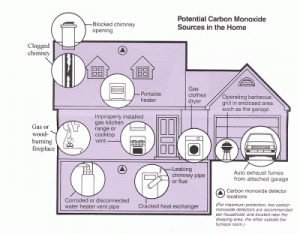
potential-carbon-monoxide-sources-in-the-home-300x234

Where Does Carbon Monoxide Come From?
CO is a by-product of the incomplete combustion of fossil fuels such as natural or liquefied petroleum (LP) gas, kerosene, oil, gasoline, wood and coal. Sources of CO in the home include heating systems, kitchen ranges and ovens, clothes dryers, water heaters, fireplaces and stoves. Other possible sources include motor vehicles, gas-powered tools and generators, and charcoal grills.

If the burners on heating systems and other equipment are properly adjusted and maintained, adequate air for combustion is provided, and the venting system is working properly, the likelihood of CO is reduced. But if burners are poorly adjusted, there is no combustion air, and/or the venting is faulty, lethal CO levels can develop, especially in a tightly-sealed house.

A car or other motor vehicle should not be started up in a closed garage; but even with the door open there may be enough residual CO to seep into the house. Cooking with a gas range/oven also contributes to indoor CO levels. Ideally, external venting should be provided for the range to minimize the chance of a build-up of carbon monoxide.

Reducing the Hazard
To minimize CO concerns, all fuel-burning systems and venting provisions should be checked annually by a qualified professional, particularly when there are signs of system damage or other potential concerns,. It is also generally recommended that at least one CO alarm be installed in homes with fuel-burning appliances, fireplaces or attached garages. Specific placement guidelines vary, but sleeping areas are the first locations to consider. Additional units can be located in other areas for added protection.

CO Alarms
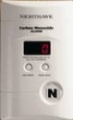
CO-alarmsCO DetectorWhen purchasing a CO alarm, look for an Underwriters Laboratories (UL) listing on the label. Follow manufacturer installation and maintenance guidelines. Replace batteries at least annually and replace older units, as recommended by the manufacturer (typically when 5 to 7 years old). Also, when considering CO detector placement, don’t forget the need for regular testing of smoke/fire detectors and fire extinguishers.


What to Do if a Carbon Monoxide Detector/Alarm Goes Off?
Never ignore a sounding CO alarm. A CO alarm may indicate elevated levels of CO in the home, even if no one is experiencing symptoms. What needs to be done when an alarm sounds depends on whether or not anyone is feeling ill or obvious signs of a carbon monoxide source are present.

If no one is feeling ill:

  • Turn off all appliances and sources of combustion (e.g., furnaces and fireplaces).
  • Ventilate the house with fresh air by opening doors and windows.
  • Reset the alarm.
  • Call a qualified professional to investigate the source of the possible CO buildup before starting up any CO producing equipment.
  • Realize that the source of CO may be outside your house or apartment.

If illness is a factor or an alarm continues after possible sources of CO have been turned off:

  • Evacuate all occupants immediately.
  • Determine how many occupants are ill and determine their symptoms.
  • Call 911 or your local emergency number and when relaying information, include the number of people feeling ill.
  • Do not allow anyone to re-enter the home until it has been checked for CO or other hazards.
  • Call a qualified professional to repair or correct the source of the CO or other cause of the alarm.

Originally posted at https://enewsletter.housemaster.com/documents/article4_3_2011.html

Filed Under: Carbon Monoxide, Home Safety

April 1, 2011 by changescapeweb Leave a Comment

GO GREEN – CONSIDER ALTERNATIVE CLEANING PRODUCTS

Spring is a time when we think about cleaning and recycling.  I'm sponsoring a shredding / recycle day in St. Charles at the end of April, but also consider the following post that I want to share with you.

___

According to the National Environmental Service Center (NESC) it is estimated that the average homeowner may have up to 100 pounds of various types of hazardous household waste products at any time in their home. This includes products that are flammable, combustible, toxic, explosive or corrosive. You are probably well aware of the hazards associated with the improper storage and use of certain products such as gasoline, anti-freeze, pesticides, and varnishes. But other common products such as nail polish remover, charcoal lighter fluid, and fluorescent light bulbs can be hazardous to humans, pets and the environment when used or disposed of improperly.

One way to reduce the need to have these hazardous products around is to use alternate cleaning solutions for everyday home maintenance needs. By reducing your reliance on the potentially hazardous products, you not only reduce the risk of injury to yourself or other family members, but also help the environment.

Two long-used and widely available products, baking soda and vinegar, are good alternatives for many household cleaning products. Baking soda, mixed with water or other products, depending on the particular need, can be used to remove perspiration stains, as a scoring powder to clean plumbing fixtures, and as a general household cleaner. Vinegar can serve as a water softener, pet odor remover, paintbrush softener, and window cleaner. Even baby oil can substitute for harsh chemicals to remove grease and tree sap. Club soda helps remove stains from carpets. Use baking soda with the right mix of vinegar and you have a drain cleaner or tile scum remover.

The National Environmental Service Center  has a technical assistance hotline (800-624-8301) available to answer questions. Environment Canada  also provides information and offers solutions for the disposal of household hazardous waste.

Even alternative products must be used and handled with care. Check with product manufacturers and green product websites for specific recommendations and mixtures. And of course, don’t take any chances; store all cleaning products in a safe and appropriate location.

This article was originally posted at https://enewsletter.housemaster.com/documents/article2_3_2011.html
 

Filed Under: Hazardous Household Waste, Home Safety

March 24, 2011 by changescapeweb Leave a Comment

6 Do-It-Yourself Updates That Can Increase Home’s Value By More Than $10,000

Simple, affordable do-it-yourself projects such as cleaning and decluttering and just adding lighting can help increase a home’s resale value, according to HomeGain’s annual home improvement and staging survey.

HomeGain, an online real estate marketing resource, surveyed nearly 600 real estate professionals in creating a list of the top do-it-yourself home improvement projects that offer the biggest return for your buck.

Overall, the home improvement projects that boasted the highest price returns were updates to the kitchen and bathroom–an estimated $3,435 price increase for resale. Painting the outside of the home ($2,222 price increase) also offered one of the highest returns, according to HomeGain’s Home Sale Maximizer study.

Here are six do-it-yourself projects–all under $1,000–that made HomeGain’s list, as well as the estimated increase to the home’s price at resale for each project.

1. Cleaning and decluttering: Remove any personal items, unclutter countertops, organize closets and shelves, and make the home sparkling clean.

Cost: $290

Estimated return: $1,990

2. Light and bright: Clean all windows inside and out, replace old curtains, update lighting fixtures, and remove anything that blocks light from the windows.

Cost: $375 cost

Estimated return: $1,550

3. Staging: Rearrange furniture, bring in new accessories and furnishings to enhance rooms, including artwork and playing soft music in the background.

Cost: $550 cost

Estimated return: $2,194

4. Landscaping: Punch up the home’s curb appeal in the front and backyards by adding bark mulch, bushes and flowers, and ensuring current plants and grass are well-cared for and manicured.

Cost: $540

Estimated return: $1,932

5. Repair electrical or plumbing: Repair any leaks under the bathroom or kitchen sinks, remove any mildew stains, and ensure all plumbing is in good working condition. Update the home’s electrical with new wiring for modern appliances, fix any lights or outlets that don’t work, and replace old plug points with new safety fixtures.

Cost: $535

Estimated return: $1,505

6. Replace or shampoo dirty carpets: Steam-clean carpets, replace any worn carpets, and repair any floor creaks.

Cost: $647

Estimated return: $1,739

So when you are thinking about buying or selling a home in St. Charles or St. Louis County, call me and "I'll get you moving!". 


Originally posted on February 7, 2011 by Melissa Tracey; REALTOR® Magazine

Filed Under: Uncategorized

March 22, 2011 by changescapeweb Leave a Comment

Sizing Up Homes in a Different Way: New Homes Get Rated on Energy Use

More new homes now will come with energy labels that estimate monthly energy bills, allowing buyers a different way of shopping for homes. The energy labels have been compared to the miles-per-gallon ratings available for cars, which give insight into a car’s fuel efficiency. Likewise, more builders now will give new-home buyers greater insight into how much the home will cost them in utilities–so they have a better gauge to judge the upkeep costs of a home.

Environmental efficiency has become an increasingly important factor in home buying decisions due to rising energy costs. Energy efficient appliances and energy efficient lighting were “very” or “somewhat” important to a majority of home buyers, and heating and cooling costs were at least “somewhat” important to 88 percent of buyers, according to the 2009 Profile of Home Buyers and Sellers by the National Association of REALTORS®.

KB Homes plans to debut its EPG (Energy Performance Guide) on its homes by the end of this month.

“For most people, buying a home is the largest and most important purchase they will ever make, and until now there has been no standard way to communicate a home’s estimated monthly energy costs,” says Jeffrey Mezger, president and chief executive officer of KB Home. “We believe providing the estimated monthly energy costs will not only empower our home buyers, but also change the way people shop for a home. Home buyers can now better understand the estimated energy costs for the home.”

PulteGroup Inc. and Residential Energy Services Network also have teamed up to roll out energy efficiency labels on PulteGroup homes this year. The homes will be tested using the RESNET Home Energy Rating System Index, a measure of energy performance that is recognized by government agencies.

“Providing clear, visible energy ratings for homes makes sense for today’s energy-conscious consumers who want to save on their utility bills and reduce their carbon footprint,” says Steve Baden, executive director, RESNET. “Marketing the energy efficiency of homes is a winning proposition for home buyers, builders, and the environment.”

While these labels apply to new homes, the USA Today recently reported that the U.S. Department of Energy is developing a home energy score for existing homes, which it plans to launch nationally this fall.

So when you are thinking about buying or selling a home in St. Charles or St. Louis County, call me and "I'll get you moving!". 


Originally posted on February 28, 2011 by Melissa Tracey; REALTOR® Magazine

Filed Under: Buying a Home, Home Energy Score

  • « Previous Page
  • 1
  • …
  • 35
  • 36
  • 37
  • 38
  • Next Page »

Contact Sandra

Cell: 314-691-1320
Office: 636-946-2020
Contact Sandra


ReeceNichols – St. Charles

2171 Bluestone Dr.
St. Charles, MO 63303

Follow Sandra

  • Facebook
  • LinkedIn
  • Twitter
  • YouTube

Habitat for Humanity St Charles County Donations


Copyright © 2026 · Sandra Meranda · This website was Changescaped.

Copyright © 2026 · Executive Pro Theme on Genesis Framework · WordPress · Log in